


The best cardio machines for home are the ones that match your goals, fit your space, and make consistency easier. You do not need a luxury gym or a complicated setup to improve endurance and burn calories. You need the right foundation and a plan you can repeat.
A treadmill may be ideal for one person. An exercise bike or compact stepper may be better for another. The best choice depends on your preferred movement, joint comfort, schedule, and available room.
This guide compares the most practical options for a home gym so you can invest with confidence.
Table of Contents
- Why home cardio equipment matters
- The best cardio machines for home
- How to choose the right machine
- Common mistakes to avoid
- Simple home cardio plan
- Frequently asked questions
- Final summary
Why Home Cardio Equipment Matters
Cardiovascular exercise strengthens your endurance and supports a healthier, more active lifestyle. It also helps you build work capacity for strength training, sports, and daily activities.
The Centers for Disease Control and Prevention recommends that adults aim for at least 150 minutes of moderate-intensity physical activity each week, or 75 minutes of vigorous activity, along with muscle-strengthening activity.
A home machine removes common barriers:
- No commute to the gym.
- No waiting for equipment.
- No concern about weather.
- Easy access before work or after dinner.
- Flexible workouts that fit your schedule.
Why it matters: The most effective workout is the one you complete consistently. Convenience is not a luxury. It is an anchor for long-term progress.
The Best Cardio Machines for Home
1. Treadmill: Best for Walking, Running, and Calorie Burn
A treadmill is one of the most versatile pieces of home cardio equipment. You can walk, jog, run, increase the speed, or add incline-based challenges.
It is a strong choice if you:
- Enjoy walking or running.
- Want to train for a race.
- Need a familiar form of cardio.
- Prefer steady-state workouts or intervals.
- Want to train indoors year-round.
Walking is beginner-friendly. Running increases intensity. Incline walking challenges the legs and raises the cardiovascular demand without requiring a faster pace.
A treadmill also supports progressive overload. You can gradually increase duration, speed, or incline as your fitness improves.
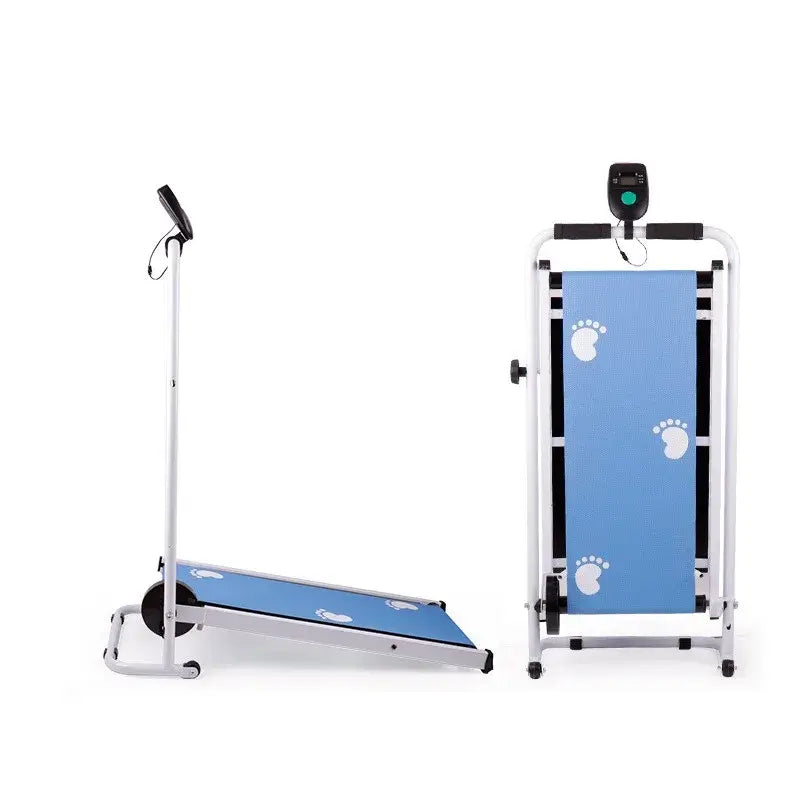
What to look for:
- A stable frame.
- A running deck that fits your stride.
- A safety key or emergency stop.
- Folding capability if space is limited.
- A motor suited to walking, jogging, or running.
- Adequate clearance around the machine.
Qwik-Fit’s Silent Folding Mechanical Treadmill is designed for convenient home use and easier storage.
Best for: Walking, running, endurance training, and adjustable calorie-burning workouts.
2. Exercise Bike: Best for Low-Impact Cardio
An exercise bike creates a cardiovascular challenge while keeping your feet supported. That makes it a practical option for beginners and people who prefer lower-impact training.
You can use a bike for:
- Easy recovery rides.
- Longer endurance sessions.
- Short HIIT intervals.
- Warm-ups before strength training.
- Indoor cycling workouts.
You control the challenge by adjusting resistance and cadence. A short workout can be demanding when resistance rises. A longer ride can build aerobic endurance at a manageable pace.
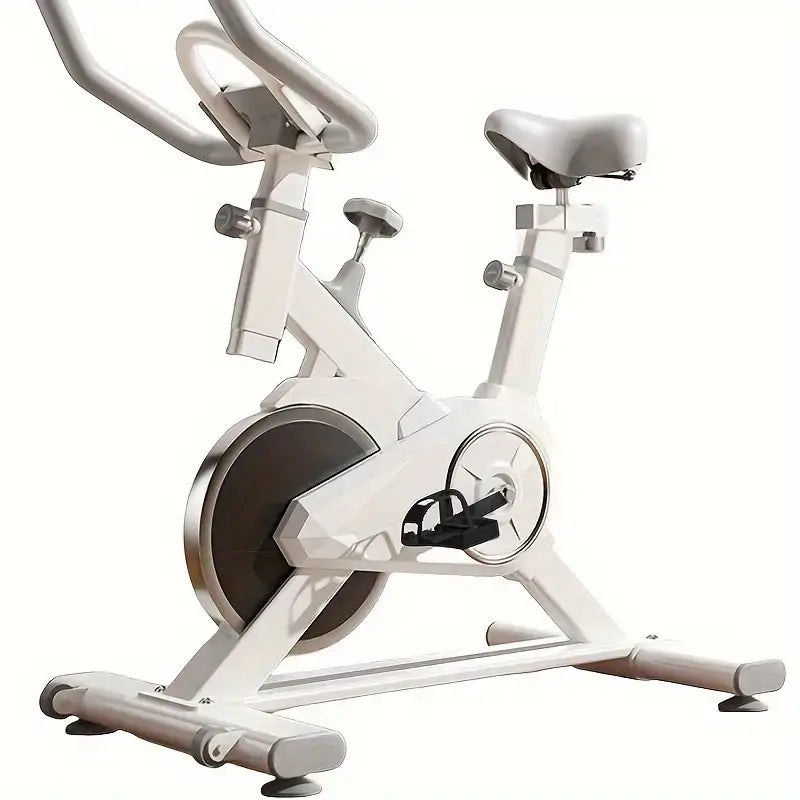
An upright bike offers a traditional cycling position. A compact pedal exerciser takes up less room and can be used while seated. A recumbent design provides additional back support.
Qwik-Fit offers several options in its Cardio Equipment collection, including the Premium Indoor Fitness Bike and compact pedal exercise machines.
Best for: Low-impact cardio, steady endurance work, beginners, and people with limited space.
3. Stepper: Best for Compact Lower-Body Conditioning
A stepper simulates climbing stairs. It targets the lower body while raising your heart rate and challenging your anterior chain, including the hips, thighs, and core.
Steppers are useful when you:
- Have limited floor space.
- Want short, intense workouts.
- Enjoy climbing-based movement.
- Want to strengthen your legs while doing cardio.
- Need equipment that is simple to use.
A compact stepper can fit into a bedroom, office, or small home gym. A model with a handlebar provides additional balance and support. A mini stepper is easier to store, while a larger stepper may provide a more stable training platform.
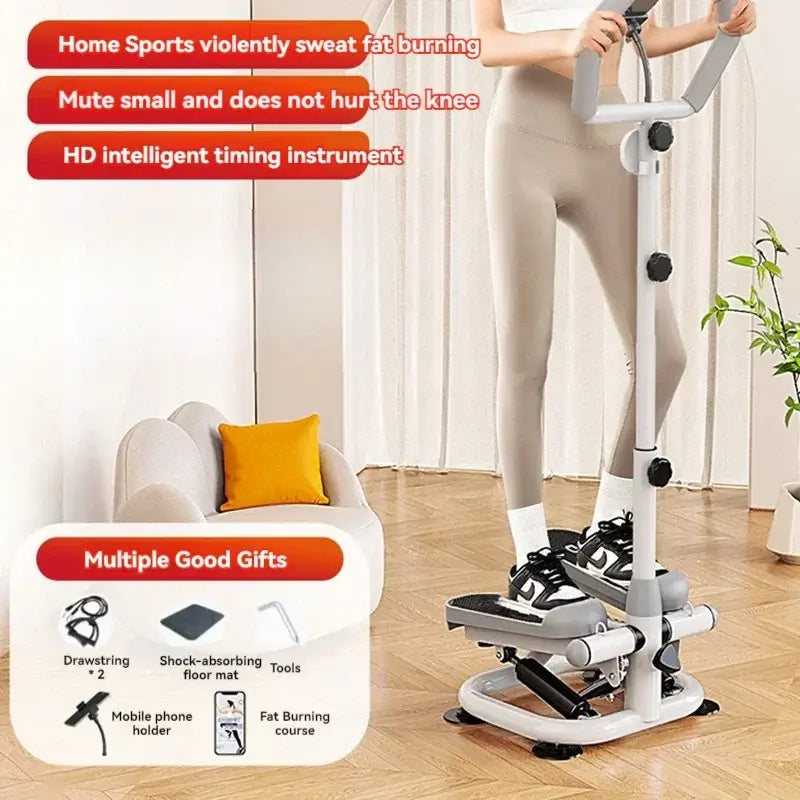
Qwik-Fit’s Silent Handrail Stepper offers a compact way to add stepping intervals to your routine. You can also explore the smaller Stepper Exercise Machine.
Best for: Small spaces, lower-body conditioning, and short interval workouts.
4. Vibration Plate: Best as a Supplemental Tool
A vibration plate is different from a treadmill, bike, or stepper. It should not be your primary tool for cardiovascular endurance.
It may support a broader routine that includes:
- Balance exercises.
- Light movement.
- Muscle activation.
- Stretching and mobility work.
- Low-intensity recovery sessions.

The main benefit is convenience. A vibration plate takes up limited space and can complement strength and mobility sessions. However, it does not replace regular walking, cycling, running, or other sustained cardiovascular activity.
Qwik-Fit’s Vibrating Power Plate is one option to consider as part of a complete home wellness setup.
Best for: Supplemental movement, balance, and recovery-focused routines.
Quick Comparison
| Machine | Best use | Impact level | Space needs | Training style |
|---|---|---|---|---|
| Treadmill | Walking, running, race training | Moderate to high | Moderate | Steady-state or intervals |
| Exercise bike | Low-impact endurance | Low | Low to moderate | Endurance or HIIT |
| Stepper | Climbing and leg conditioning | Moderate | Low | Short intervals |
| Vibration plate | Supplemental movement | Very low | Very low | Light activity and mobility |
How to Choose the Right Machine
1. Start With Your Main Goal
Choose the machine that supports your most important objective.
- Improve running performance: Choose a treadmill.
- Build low-impact endurance: Choose an exercise bike.
- Train your legs in less time: Choose a stepper.
- Add balance and light movement: Consider a vibration plate.
- Burn calories through challenging intervals: Use a treadmill, bike, or stepper.
2. Consider Joint Comfort
Impact is not automatically bad. It is simply one training factor.
If walking or running feels comfortable, a treadmill may be an excellent choice. If your knees, hips, or back are sensitive, an exercise bike may provide a more comfortable starting point.
Never push through sharp or worsening pain. When in doubt, speak with a qualified medical professional.
3. Measure Your Space
Measure the workout area before you buy. Include room for:
- Safe movement on and around the machine.
- Storage or folding.
- Ceiling clearance.
- Power access.
- A protective floor mat.
A machine that fits your home is easier to use. A machine that blocks a doorway becomes friction.
4. Choose Features You Will Use
Useful features include:
- Adjustable speed or resistance.
- Clear workout metrics.
- Stable handles and pedals.
- Easy storage.
- A comfortable deck or seat.
- Reliable construction.
Do not pay for features that do not support your routine. Build quality and comfort create more value than unnecessary technology.
Common Mistakes to Avoid
Buying for Motivation Instead of Fit
A machine does not create consistency by itself. Choose movement you can tolerate and enjoy.
Ignoring Storage
A large machine may become a permanent obstacle. Plan where it will live before it arrives.
Starting Too Hard
Begin with manageable sessions. Increase duration or intensity gradually.
Tracking Only Calories
Calories are only one measurement. Also track time, resistance, pace, heart-rate response, and how you feel during daily activities.
Skipping Strength Training
Cardio is important, but a complete home gym also includes strength work. Explore Qwik-Fit’s strength training equipment to build a stronger foundation.
Simple Home Cardio Plan
Use this beginner-friendly weekly structure:
- Session one: 20–30 minutes at a comfortable pace.
- Session two: 5-minute warm-up, followed by six rounds of 30 seconds faster and 90 seconds easy.
- Session three: 25–40 minutes at a steady, moderate effort.
- Optional session: 10–15 minutes of light movement or mobility.
Keep at least one easier day between challenging sessions. For more interval ideas, read Qwik-Fit’s guide to the benefits of HIIT training.
Wear comfortable apparel from Qwik-Fit’s performance activewear collection, and support your routine with proper hydration, sleep, and recovery.
Frequently Asked Questions
What is the best cardio machine for home use?
The best cardio machine for home use is the one that matches your goals, space, comfort, and schedule. Treadmills are excellent for walking and running. Bikes are practical for low-impact endurance. Steppers work well for compact, intense sessions.
Which home cardio machine burns the most calories?
Calorie burn depends on body size, workout intensity, duration, and conditioning. Running on a treadmill often creates a high energy demand, while hard intervals on a bike or stepper can also be challenging.
Is a vibration plate a cardio machine?
A vibration plate is better viewed as a supplemental wellness tool. It does not replace sustained aerobic exercise on a treadmill, bike, or stepper.
How often should you use a cardio machine?
Many adults benefit from regular weekly activity spread across several days. Start with two or three manageable sessions and build gradually toward public health activity guidelines.
What should beginners choose?
Beginners often do well with an exercise bike, treadmill used for walking, or stable stepper. Select the option that feels comfortable and easy to access.
Final Summary
The best cardio machines for home create a stable path toward better endurance and healthier habits.
- Choose a treadmill for walking, running, and versatile progression.
- Choose an exercise bike for low-impact endurance.
- Choose a stepper for compact lower-body conditioning.
- Choose a vibration plate as a supplemental wellness tool.
- Measure your space, match your goals, and prioritize consistency.
We believe fitness is for everyone. Your home gym does not need to be perfect. It needs to support your next step.
Explore Qwik-Fit’s complete home cardio equipment collection, browse our fitness knowledge resources, or contact our support team for help choosing your equipment.
Start today. Stay consistent. Trust the process.