


A vibration plate for lymphatic drainage may support circulation, muscle pumping, and fluid movement when used as part of a complete wellness routine. It is convenient. It is low impact. It can help you add more movement to your day.
But it is not a magic detox machine.
The lymphatic system already works around the clock. A vibration plate may assist normal fluid movement, especially when paired with gentle exercise, hydration, breathing, and professional care when needed. It does not replace medical treatment, compression, manual lymph drainage, or regular physical activity.
At Qwik-Fit, we believe in honest guidance. Fitness equipment is an investment in consistent action. The goal is not perfection. The goal is building a strong foundation that supports your health over time.
Table of Contents
- What Is the Lymphatic System?
- How a Vibration Plate May Support Lymphatic Flow
- Potential Benefits of Whole-Body Vibration
- Vibration Plate and Detox: What the Evidence Really Says
- How to Use a Vibration Plate for Lymphatic Drainage
- A Simple 10-Minute Wellness Routine
- Common Mistakes to Avoid
- Safety Considerations and When to Ask a Professional
- Frequently Asked Questions
- Final Summary
What Is the Lymphatic System?
The lymphatic system is a network of vessels, nodes, and tissues that helps maintain fluid balance and supports immune function.
It collects excess fluid from body tissues and returns it to the bloodstream. It also transports proteins, immune cells, and cellular waste from tissues toward normal clearance pathways.
Unlike the cardiovascular system, the lymphatic system does not have one central pump like the heart. It depends heavily on:
- Muscle contractions
- Walking and regular movement
- Deep breathing
- Changes in body position
- Healthy vessel function
- External compression when medically recommended
This is why long periods of sitting may leave your legs feeling heavy or stiff. The muscles in your lower legs act as a natural pump. When they contract, they help move blood and tissue fluid upward.
A vibration plate adds mechanical stimulation. The rapid movement can create small, repeated muscle contractions. It can also increase sensory input and may improve local blood flow for a short period.
Why it matters: Your lymphatic system responds to movement. A vibration plate can make movement easier to start, but it works best as one anchor in a broader routine.
How a Vibration Plate May Support Lymphatic Flow
Whole-body vibration, or WBV, exposes your body to controlled mechanical movement through a vibrating platform. Depending on the device, the platform may move vertically, side to side, or in an oscillating pattern.
When you stand on the platform with a soft bend in your knees, your muscles work to stabilize your body. These repeated contractions may support the muscle pump, particularly through the calves, ankles, and lower legs.
The process may involve several actions:
- Mechanical stimulation reaches your feet and legs.
- Postural muscles respond with small contractions.
- Blood flow and microcirculation may increase temporarily.
- Muscle activity may assist the movement of fluid in the limbs.
- Gentle movement supports normal lymphatic and venous return.
This is a practical reason to use a vibration plate with a slight knee bend or gentle movement instead of standing completely still.
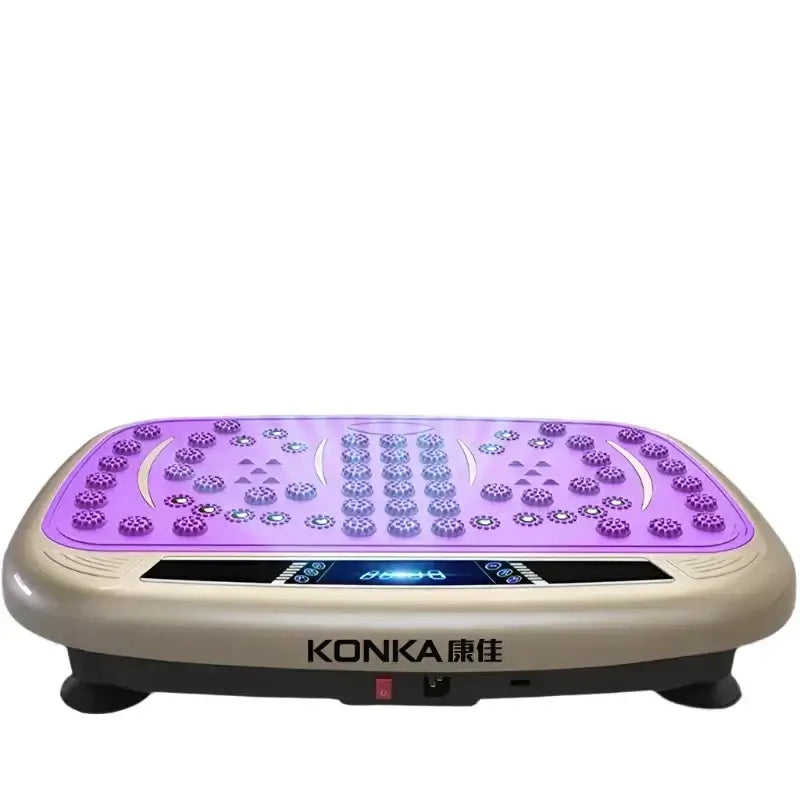
Research on whole-body vibration is still developing. A small randomized trial in women with stage 2–3 lipedema found that adding vibrotherapy to manual lymph drainage produced better results than manual lymph drainage alone. This suggests that vibration may have value as an adjunct.
It does not prove that every consumer vibration plate produces the same results. It also does not prove that vibration alone treats lymphedema, lipedema, or chronic swelling.
The design of the machine matters. Frequency, amplitude, movement pattern, session length, posture, and the user’s health history all affect the experience.
Potential Benefits of Whole-Body Vibration
A vibration plate may support several parts of a well-rounded wellness routine.
1. Supports circulation
Whole-body vibration may increase local blood flow and microcirculation during and shortly after a session.
Improved circulation can help you feel warmer and more mobile. It may also make gentle movement feel easier, especially after sitting for long periods.
A vibration plate is not a replacement for walking or cardiovascular exercise. It is a tool that can help you begin moving.
2. Activates the lower-body muscle pump
Your calves, ankles, and feet play an important role in fluid return from the lower body.
Gentle calf raises, mini squats, or alternating heel lifts on a vibration plate can add active muscle contractions to your routine. This may be more useful than passive standing alone.
3. May reduce feelings of leg heaviness
Some people use whole-body vibration after travel, desk work, or long periods of standing.
The combination of mechanical stimulation and light movement may temporarily reduce the feeling of stiffness or heaviness. Results vary from person to person.
Persistent or worsening swelling requires professional evaluation. Do not assume that all swelling is harmless fluid retention.
4. Encourages low-impact movement
Busy schedules create friction. A full workout may not fit every day.
A vibration plate takes up little space and can be used for short sessions. It may help beginners, older adults, or people easing back into movement: provided they receive medical clearance when necessary.
5. Supports balance and muscle engagement
Standing on an unstable or moving surface requires your body to make constant small adjustments. This can engage postural muscles.
Start with both feet planted firmly. Hold a stable support if needed. Build confidence before adding exercises.
6. Helps you build a consistent wellness anchor
Consistency beats intensity when the goal is a healthier lifestyle.
A five- to ten-minute routine that you repeat is more valuable than an ambitious plan you abandon. Use the vibration plate as an anchor before stretching, walking, or light strength work.
Vibration Plate and Detox: What the Evidence Really Says
The word “detox” is often used too broadly.
The lymphatic system helps transport fluid, immune cells, proteins, and waste from tissues. It does not directly remove every toxin from your body.
Your liver and kidneys handle most chemical processing and waste removal from the bloodstream. A vibration plate does not replace these organs. It does not cleanse your blood. It does not melt fat through vibration alone. It does not cure disease.
A more accurate explanation is this:
A vibration plate may support normal circulation and tissue-fluid movement. It does not provide a whole-body toxin cleanse.
That distinction matters.
Responsible wellness focuses on fundamentals:
- Adequate hydration
- Regular physical activity
- Balanced nutrition
- Quality sleep
- Stress management
- Medical care when symptoms persist
You can explore Qwik-Fit’s wellness supplements and healthy routine essentials, but supplements should complement: not replace: sound nutrition and professional guidance.
Why it matters: Honest expectations protect your health and help you choose equipment for the right reason. A vibration plate is a movement tool. It is not a medical detox treatment.
How to Use a Vibration Plate for Lymphatic Drainage
Use a gentle, gradual approach. Your first session should feel controlled, not extreme.
Step 1: Check your equipment
Place the vibration plate on a stable, level surface. Keep enough room around it to step off safely.
Review the manufacturer’s instructions. Confirm the platform is secure, the surface is dry, and the controls are easy to reach.
Step 2: Begin at a low setting
Start with the lowest comfortable intensity. You do not need the strongest setting to create a useful stimulus.
High intensity is not automatically better. Excessive vibration may create discomfort, dizziness, or joint and back symptoms.
Step 3: Use an athletic stance
Stand with:
- Feet about hip-width apart
- Knees softly bent
- Core relaxed but engaged
- Chest lifted
- Shoulders down
- Weight distributed evenly
Do not lock your knees. Do not lean heavily into one side.
Step 4: Breathe slowly
Deep, relaxed breathing supports movement and helps prevent unnecessary tension.
Try inhaling through your nose for four seconds. Exhale slowly for four to six seconds. Keep your jaw and shoulders relaxed.
Step 5: Add gentle movement
After one or two minutes of comfortable standing, add simple movements:
- Heel raises
- Ankle pumps
- Gentle knee bends
- Small squats
- Weight shifts from side to side
- Slow marching in place
Keep each movement controlled. The goal is fluid movement, not fatigue.
Step 6: Keep sessions short
A practical starting point is five to ten minutes, two or three times per week.
If your body responds well, you may gradually increase frequency. Follow the device instructions and stop if you experience pain, dizziness, numbness, or unusual discomfort.
Step 7: Finish with light movement
Step off the plate carefully. Walk around for a few minutes. Drink water as part of your normal hydration routine.
Do not force large amounts of water. Hydration supports general health, but excessive water intake is not a detox strategy.
A Simple 10-Minute Wellness Routine
Use this routine as a starting point. It is not medical treatment for lymphedema or another diagnosed condition.
| Time | Activity |
|---|---|
| 1 minute | Stand comfortably and breathe slowly |
| 2 minutes | Gentle heel raises |
| 2 minutes | Soft knee bends or mini squats |
| 2 minutes | Alternating weight shifts |
| 1 minute | Slow marching in place |
| 2 minutes | Step off and walk gently |
Perform the routine at a low, comfortable intensity.
Pair it with a short walk, gentle stretching, or a beginner strength session. Qwik-Fit’s home cardio equipment collection can help you build a broader cardiovascular routine, while our yoga and Pilates equipment collection supports mobility and controlled stretching.
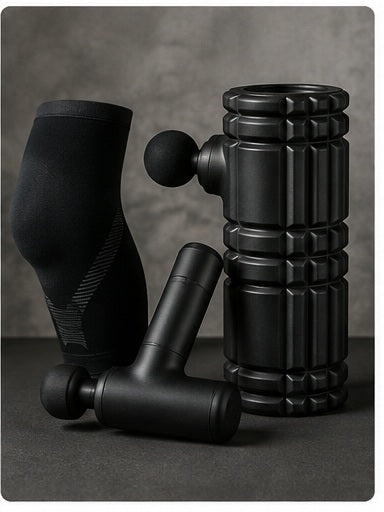
Compression may be appropriate for some people with diagnosed lymphedema or venous conditions. Use compression garments only as directed by a qualified clinician.
A vibration plate may pair well with a professional plan. It should not replace compression, manual lymph drainage, exercise therapy, or skin care when those treatments are prescribed.
Common Mistakes to Avoid
Mistake 1: Believing more vibration means better results
Higher intensity can increase discomfort without improving your outcome.
Start low. Progress slowly. Trust your body’s response.
Mistake 2: Standing completely rigid
Locked knees and poor posture can increase stress on your joints and spine.
Keep your knees soft. Use a stable stance. Hold a support if your balance is limited.
Mistake 3: Using the plate as your only exercise
A vibration plate does not replace walking, resistance training, or aerobic exercise.
Your body needs varied movement. Combine whole-body vibration with strength training equipment for home workouts and regular low-impact cardio.
Mistake 4: Promising yourself a “detox”
You may feel more mobile or less stiff after a session. That does not mean the machine has flushed toxins from your body.
Use accurate language. Focus on circulation, movement, and consistency.
Mistake 5: Ignoring sudden swelling
One-sided swelling, pain, warmth, redness, or sudden shortness of breath is not a normal wellness concern. Seek urgent medical attention because these symptoms may indicate a serious vascular problem.
Mistake 6: Copying an online routine without checking your health history
A routine that works for one person may be inappropriate for another.
Your age, medications, surgeries, medical conditions, and fitness level all matter.
Safety Considerations and When to Ask a Professional
Talk with your doctor or physical therapist before using a vibration plate if you have:
- Diagnosed lymphedema or lipedema
- Cancer-related swelling
- A history of blood clots or current suspected thrombosis
- Recent surgery or injury
- Significant heart or vascular disease
- Uncontrolled high blood pressure
- Severe osteoporosis
- Serious joint problems
- Back pain, sciatica, or spinal conditions
- An implanted medical device
- Pregnancy
- Unexplained swelling or pain
This list is not complete. A qualified professional can help determine whether whole-body vibration is appropriate for you.
The MD Anderson Cancer Center guide to vibration plates emphasizes that vibration plates should not replace physical activity and that research devices may differ significantly from consumer products.
The same principle applies to lymphatic care. If you have a diagnosis, work with a certified lymphedema therapist or medical professional. Complete decongestive therapy commonly includes compression, exercise, skin care, education, and sometimes manual lymph drainage.
Learn more about the evidence from the PubMed study on manual lymph drainage combined with vibrotherapy. You can also review a broader peer-reviewed review of whole-body vibration research.
When in doubt, choose the safest path. Health comes first.
Frequently Asked Questions
Can a vibration plate help with lymphatic drainage?
A vibration plate may support circulation and muscle activity that assist normal fluid movement. Evidence for direct lymphatic drainage benefits remains limited.
It is best viewed as an optional adjunct, not a standalone treatment.
How long should I use a vibration plate for lymphatic support?
Start with five to ten minutes at a low intensity. Use it two or three times per week and increase gradually only if you feel comfortable.
Always follow the manufacturer’s instructions.
Does a vibration plate remove toxins?
No. A vibration plate does not detoxify your blood or replace the liver and kidneys.
It may support normal movement of fluid and waste from tissues, but “detox” claims should be treated cautiously.
Can a vibration plate reduce water retention?
It may temporarily improve the feeling of heavy legs or support circulation in some people. It has not been proven to treat every type of fluid retention.
Water retention can have many causes. Persistent swelling deserves medical evaluation.
Is standing on a vibration plate enough?
Standing can create some muscle engagement, but gentle active movements such as calf raises, ankle pumps, and mini squats may provide more useful muscle-pump activity.
Use proper form. Start slowly.
Can I use a vibration plate if I have lymphedema?
Ask your doctor or lymphedema therapist first. Some people may use vibration as part of a supervised plan, while others may need to avoid it because of their medical history.
Do not use it as a replacement for prescribed compression or therapy.
Should I drink extra water after using a vibration plate?
Drink water according to your normal hydration needs. There is no need to force excessive amounts of water for detox purposes.
If a clinician has given you fluid restrictions, follow those instructions.
Final Summary
A vibration plate for lymphatic drainage may support circulation, lower-body muscle activation, and normal tissue-fluid movement. It can make gentle movement more accessible and help you build a consistent wellness anchor.
The evidence does not support exaggerated detox claims. A vibration plate does not replace your liver, kidneys, medical treatment, compression, manual lymph drainage, or regular exercise.
Use it wisely:
- Start with low intensity.
- Keep sessions short.
- Add gentle active movements.
- Pair it with walking, stretching, hydration, and balanced nutrition.
- Ask a professional before use if you have a medical condition or diagnosed swelling.
Explore the Qwik-Fit vibration plate listing, browse our premium home gym equipment, or visit our customer support center if you have product questions.
Continue building your foundation with Qwik-Fit resources on daily fitness tips, morning exercise routines, and the importance of leg day workouts.
Start today. Stay consistent. Trust the process.